




Retailers are taking decisive steps in their digital transformation: online stores are being revamped, loyalty programs optimized, and customer interaction digitized. But the real magic still happens on the shop floor. That's where personal contact makes the difference in brand perception and customer loyalty. Retail employees play a key role here. That's precisely why they deserve technology that supports and strengthens them in their role as advisors, hosts, and brand ambassadors.
Strategy starts on the shop floor
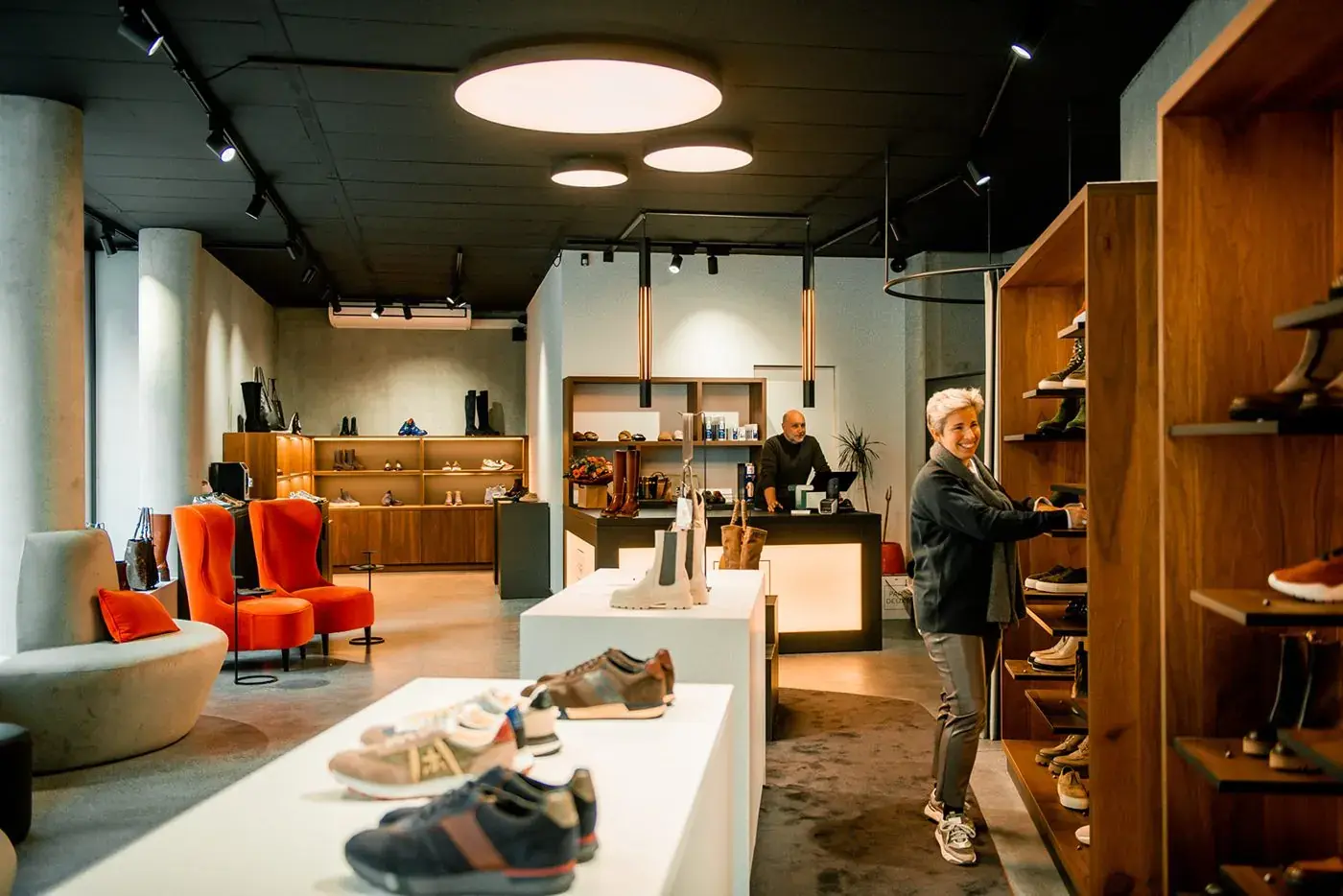
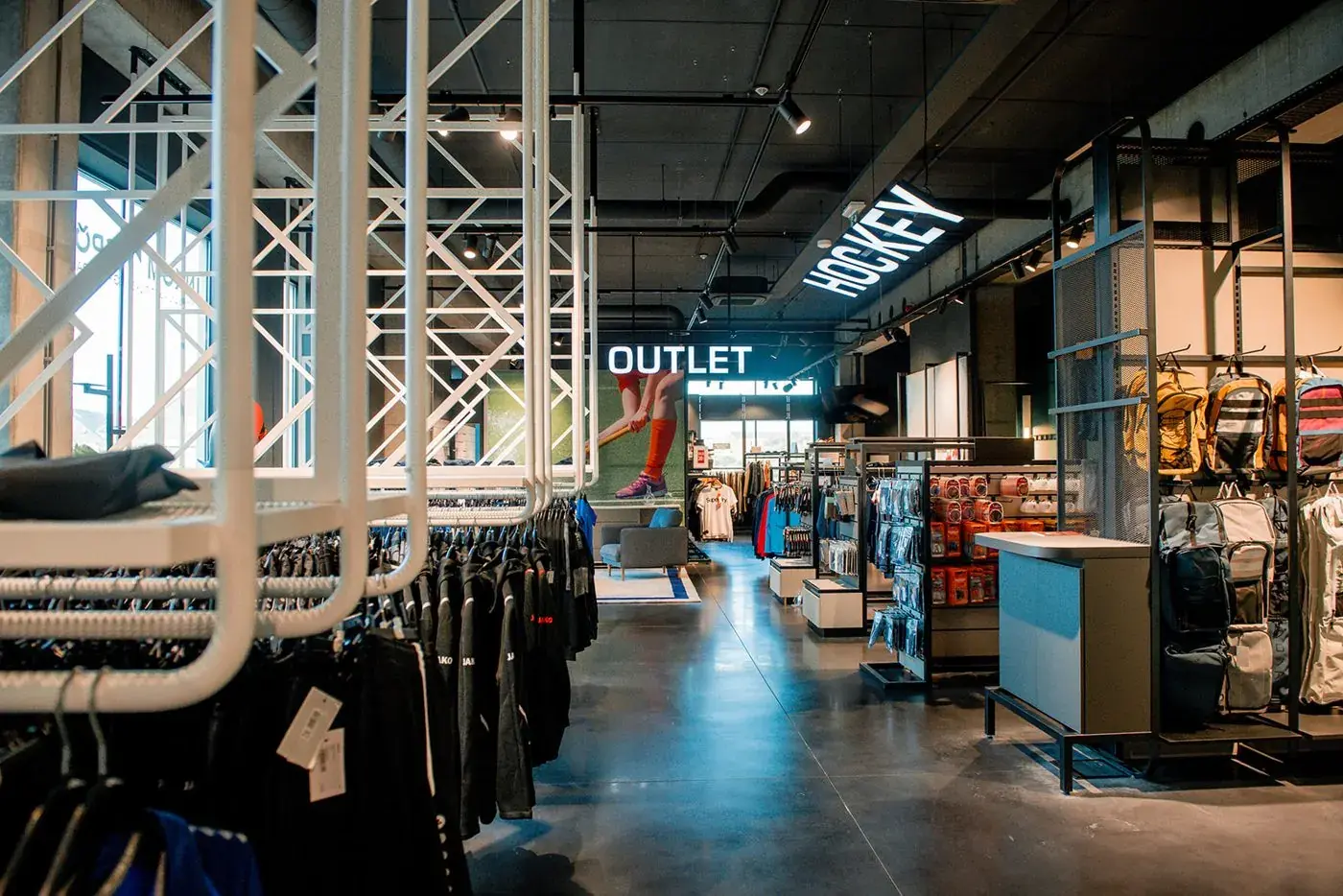
Even in a digital world, the physical store remains a powerful channel for interaction and experience. A well-supported team can add value on the shop floor that is difficult to replicate online: personal advice, empathy, and service. However, in practice, technology on the shop floor often lags behind retailers' ambitions. Systems are slow, confusing, or not connected to each other. This limits employees' effectiveness and, consequently, the customer experience.
Examples are familiar: a customer wants to pick up an item ordered online, but it cannot be found in the store. An employee cannot check stock at other branches. These minor frustrations are annoying for the customer and discouraging for the staff. Customer experience weighs heavily in how shoppers choose where to buy, a clear signal that technology should serve people, not the other way around.
Modern tools as a lever for job satisfaction and turnover
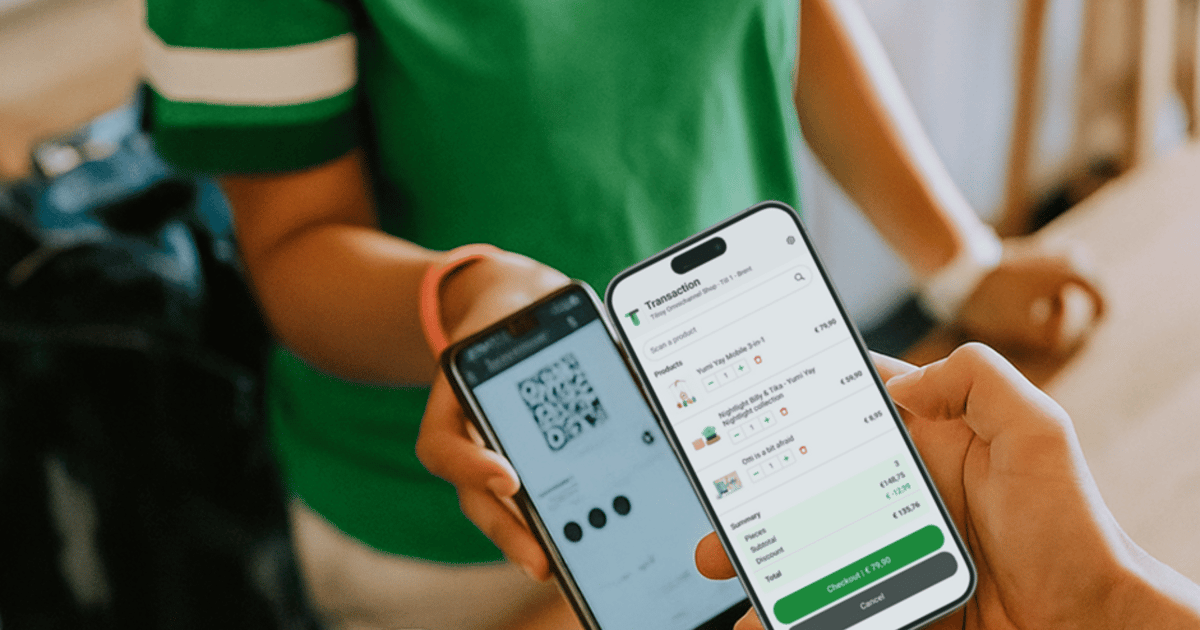
Fortunately, powerful solutions are available. With modern, integrated technology, the shop floor is once again becoming the beating heart of an omnichannel strategy. Think of mobile point-of-sale (POS) systems that allow employees to help, check out, or inform customers anywhere in the store. These systems are device-independent, run on tablets or smartphones, and significantly simplify operation. This allows teams to work more efficiently and serve customers more personally.
The benefits extend beyond efficiency: employees feel more confident, more professional, and experience greater job satisfaction. Temporary or seasonal workers can also be trained more quickly thanks to intuitive interfaces. During busy periods, the store can be quickly scaled up with additional devices, without technical complexity. This not only increases operational flexibility, but also sales.
When technology deepens the shopping experience
Retailers who consider the shop floor to be an integral part of their omnichannel strategy strengthen their brand and customer relationships. Customers expect seamless coordination between online and offline channels, and store employees play a crucial role in this connection. If they have real-time information about stock, delivery options, and customer data, they can proactively respond to customer needs. This makes technology a catalyst for human contact, rather than an obstacle.
Tilroy supports retailers in this as an omnichannel interface that connects backend and customer-facing channels. Thanks to real-time data processing, flexible integrations, and a scalable cloud architecture, Tilroy helps retailers deliver on their promise of a consistent, frictionless customer experience.